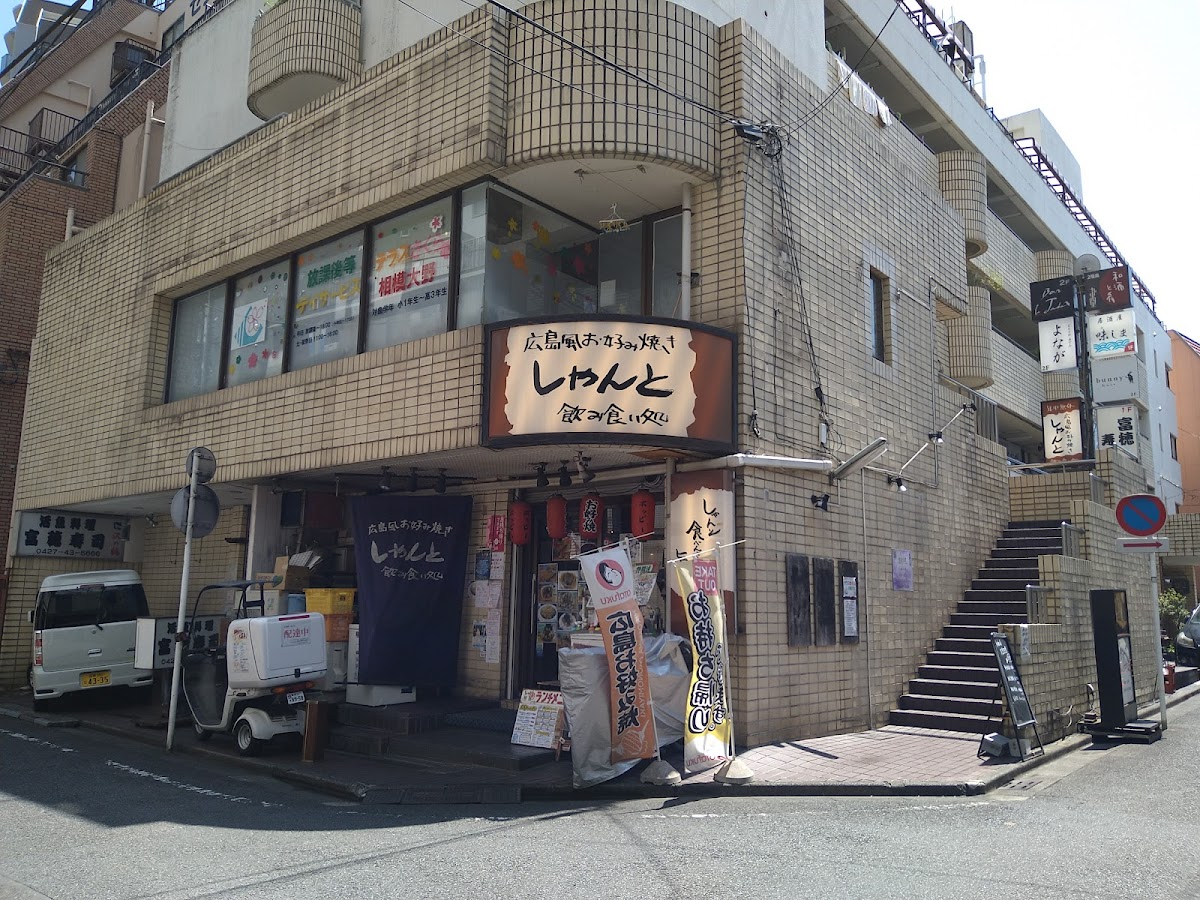
Yummy Hiroshima style okonomiyaki. I suggest coming here for lunch and get satisfied with less than 1000 yen. You can choose how much noodles that will go in the okonomiyaki so even if you are a big eater, you will leave full. Plus, it comes with a drink! They also have donburi menu where you will be satisfied for under 800 yen. It’s a small place so you might have to wait before you get in. They are opened for dinner and I plan to come here to drink and eat.
Overview
Tucked along the lively streets of Sagamiono, Shanto sits quietly on the ground floor of ドミール相模大野 1F, at Japan, 〒252-0303 Kanagawa, Sagamihara, Minami Ward, Sagamiono, 8 Chome−3−1. I stumbled upon it on a rainy evening after getting off at Sagami-Ono Station, expecting a quick bite. Instead, I found myself lingering over dinner, chatting with the staff, and mentally planning my next visit before I’d even paid the bill.
The first thing you notice is the warm, easygoing atmosphere. It feels like the kind of local diner where regulars are greeted by name. The interior isn’t flashy, yet it’s thoughtful-wooden tables, soft lighting, and the faint aroma of grilled meat and simmering broth floating from the kitchen. As someone who has spent years exploring neighborhood restaurants across Kanagawa, I’ve learned that ambiance often hints at the kitchen’s philosophy. Here, it signals care and consistency.
The menu balances Japanese comfort food with a few creative twists. On my first visit, I ordered the signature grilled chicken set, served with miso soup, pickles, and perfectly steamed rice. The chicken arrived sizzling, glazed with a savory-sweet sauce that had clearly been reduced patiently rather than rushed. According to the Japanese Ministry of Agriculture, Forestry and Fisheries, umami-rich ingredients like soy sauce and miso are foundational to Japanese cuisine. You can taste that layered umami here-deep but not overwhelming, seasoned yet clean.
I also tried their seasonal vegetable tempura on a second visit. The batter was light and crisp, not greasy, which tells me the oil temperature was carefully controlled. Maintaining oil around 170-180°C is crucial for proper tempura texture, and Shanto’s kitchen clearly understands that technique. The vegetables retained their natural sweetness, especially the kabocha squash, which practically melted in my mouth. These small technical details separate average diners from truly skilled ones.
Service deserves a mention too. The staff moves efficiently without feeling rushed. During one dinner rush, I watched how orders were handled: handwritten tickets passed smoothly to the kitchen, dishes plated in order, and servers checking in just enough without hovering. It’s a simple workflow, but it reflects solid training and management. In hospitality studies, consistency in service quality is often linked to higher customer satisfaction scores, and based on the steady flow of returning guests I observed, Shanto seems to have earned that loyalty.
Reviews from locals echo similar sentiments-praise for generous portions, reasonable pricing, and dependable flavors. While it may not carry the prestige of a Michelin-listed restaurant, it offers something arguably more valuable: reliability. You know your meal will be fresh, thoughtfully prepared, and satisfying. For students from nearby campuses and families living in Minami Ward, that reliability matters.
Another highlight is the lunch set menu. If you’re visiting during midday, you’ll notice a mix of office workers and retirees filling the tables. The lunch options are affordable without sacrificing quality. My personal favorite is the pork ginger plate. The meat is tender, sliced thin, and seared quickly to lock in moisture. Paired with shredded cabbage and a tangy dressing, it’s balanced and comforting. It’s dishes like this that make you appreciate the subtle craftsmanship behind everyday Japanese cooking.
Location-wise, being in Sagamihara gives it a quieter charm compared to central Yokohama or Tokyo. Yet it’s easily accessible, just a short walk from public transportation. That convenience, combined with hearty portions and honest flavors, makes it worth a detour if you’re exploring Kanagawa.
Of course, like any small neighborhood diner, seating can be limited during peak hours, and the menu isn’t sprawling. But that focused selection likely contributes to the kitchen’s consistency. Rather than chasing trends, Shanto sticks to what it does best: well-prepared Japanese comfort dishes served with genuine hospitality.
Good to know
Service options
✓ Kerbside pickup ✓ Delivery ✓ Takeaway ✓ Dine-inHighlights
✓ All you can drinkPopular for
✓ Lunch ✓ Dinner ✓ Solo diningAccessibility
✓ Wheelchair-accessible car park ✓ Wheelchair-accessible seating ✓ Wheelchair-accessible toiletOfferings
✓ Alcohol ✓ All you can eat ✓ Beer ✓ Cocktails ✓ Small plates ✓ WineDining options
✓ Lunch ✓ Dinner ✓ Counter service ✓ Dessert ✓ SeatingAmenities
✓ Gender-neutral toilets ✓ ToiletAtmosphere
✓ Casual ✓ CosyCrowd
✓ GroupsPlanning
✓ Accepts reservationsPayments
✓ PayPay ✓ Rakuten PayChildren
✓ Good for kids ✓ High chairsPhotos
1 / 4
Location
Reviews
- No ratings yet 176 reviews
Had been to a party with neighbors….A classic Japanese restaurant in Kanagawa prefecture with Hiroshima style okonomiyaki dish ….as foreigner and a vegetarian they were very friendly, considerate and customized the dishes so I can enjoy the food….cozy place to hangout with friends and family…also tried a new cheesy rice cracker creep was kinda cheesy roti
Reliably good Hiroshima style okonomiyaki. Good, no nonsense service
高校卒業まで広島で育った自分が、広島のお好み焼きを食べたくて探し当てたお店。妻と土曜のお昼に訪れた。子供のころから「肉玉そば」が定番の自分にとって、このメニューは文句なし。何倍でも増量無料もあり。しかし増量して食べ残すと「罰ゲーム」があるので要注意!「おたふくソース」とマヨネーズがかけ放題なのも至宝だ。老舗のお店ならではの常連客でにぎわっている。注目の味はというと・・・間違いない広島焼き。故郷を思い出させてくれる懐かしい味わい。妻は中華麺を頼んで初めて食べてみたが、これもイケる。細麺が女性には合うかもしれない。昼飲みもできるし、飲み放題メニューも充実。座敷もあるので宴会にも使えそうだ。帰り際に店長に「間違いない広島焼きでした」と伝えると笑顔で喜んでもらえた。店名の「しゃんと」は広島弁で「ちゃんと・きちんと」の意味。「しゃんとしんさいや!」とよくおふくろに怒られていた。まさに「しゃんと広島の味のお好み焼き」でした!ごちそうさまでした!
相模大野駅徒歩1〜2分、広島風お好み焼きを中心に提供する地域密着型の飲食店で、麺の増量無料という独自サービスが特徴で、そばやうどん入りの本格的な広島スタイルのお好み焼きをはじめ、鉄板焼きや一品料理、アルコール類も充実しており、カウンター・テーブル・座敷席を備えたアットホームで利用シーンを選ばない空間が魅力で、家族連れや友人同士、ひとり利用、宴会まで幅広く対応でき、価格帯も手頃でコストパフォーマンスが高く、ランチ営業やPayPay支払いにも対応し、駅近でアクセス良好なため学生や地元客にも人気を集めるお店です。
2025年8月29日(金)11時30分に初入店。 キャッシュレス決済はPayPayが使えます。 トッピングやご飯の量を記す注文用紙の記入必須。 下膳はセルフ制です。 日替わりランチの豚カツ丼(800円)、 中瓶ビール(680円)サントリーを頂く。
相模大野でコスパの良さは1.2を争うお店だと思います。 ボリュームあるので注文は気をつけないといけません。 以前、ランチできた時にオムそばを注文したらびっくりのボリュームでした… 今回はたくさん食べてくれそうな人と3人で。 ・梅酒 ロック ・ワイン 白 ・広島お好み焼き 種類が何なのかは謎です。とにかく量がすごい… チャレンジメニューもあるので食に自信のある方はぜひ! ・とんぺい焼き 安いのにボリュームがあるので色々注文したいけど食べれない時はこれをまず! ・チーズせんべい ・フライドポテト 青のり ありえない量にびっくり!箱に入っているので持ち帰り意識されてるのかな? ・アボカドとクリームチーズのユッケ 想像以上にお腹いっぱいに…
相模大野駅の南口から、徒歩3分程に店舗は有ります。角地なので、わかりやすい場所となります。広島風お好み焼きが、食べたくて伺わせていただきました。訪問時間は、19時過ぎてでしたが、9割程の席が埋まっていました。お客さんは若い方々で、混んでいましたカウンター席・テーブル席・座敷と、色々と有りましたが、座敷に案内されました。お勧めは、お好み焼きですが、麺を4種類から選べるようです。焼きそば・焼きうどん・茹でうどん・中華麺と選択可能です。麺の量も増量が出来ます。一人、一枚がルールのようです。私は、2玉の焼きそばを選択しました。人気店なのか、配膳まで30分位かかりました。 肝心のお好み焼きは、タップリの焼きそばと、柔らかいキャベツが、相まってボリュームたっぷり! また、おたふくソースとマヨは、好きなだけ掛けられます。トッピングも沢山あり、自分仕様にアレンジ出来ます。ごちそうさまでした。